
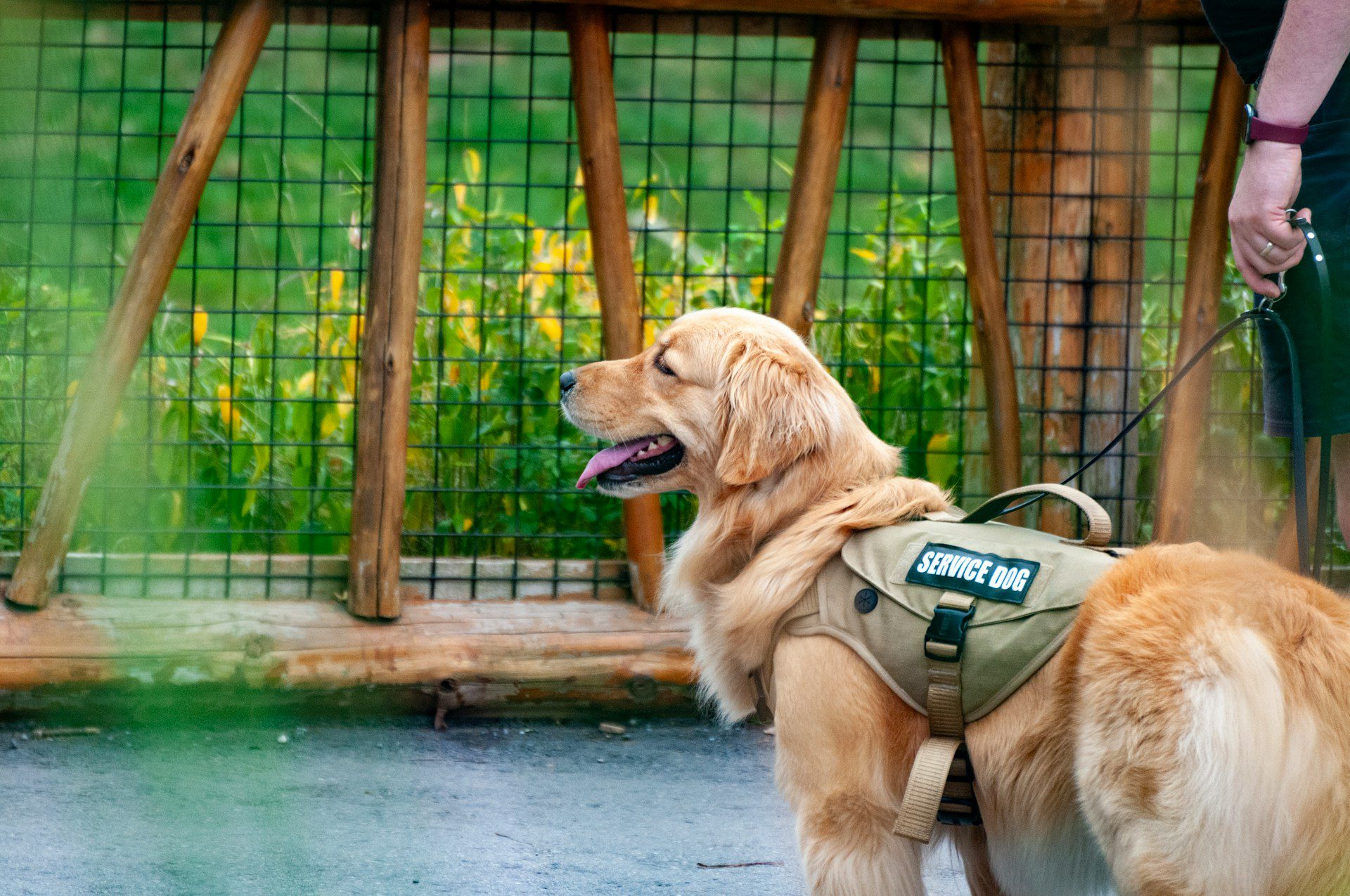
Service dogs play an incredibly important role in the lives of people with disabilities. These highly trained animals provide independence, safety, and life-changing support for their handlers. Unfortunately, in recent years the process of labeling a dog as a “service animal” has become so easy that it has created confusion, abuse of the system, and serious consequences for those who genuinely rely on these animals.
For pet lovers, it’s easy to understand why someone might want to bring their dog everywhere. Dogs provide comfort, companionship, and emotional support. However, there is a big difference between a beloved pet, an emotional support animal, and a true service dog. When people misrepresent their pets as service animals, it undermines the legitimacy of working dogs and can make life harder for individuals with disabilities.
At Reno Pet Sitter, I spend my days caring for dogs of all breeds, personalities, and training levels. As a professional pet sitter in Reno, I know firsthand how amazing dogs can be, but I also understand the difference between a beloved pet and a highly trained working dog.
Service dogs provide independence, safety, and life-changing support for people with disabilities. Unfortunately, in recent years it has become incredibly easy for someone to label their dog as a “service animal” without the training or qualifications that true service dogs require. This growing trend creates confusion, undermines legitimate service dog teams, and can even create safety issues.
As dog lovers and responsible pet professionals here in Reno, I believe service dogs deserve more respect than that.
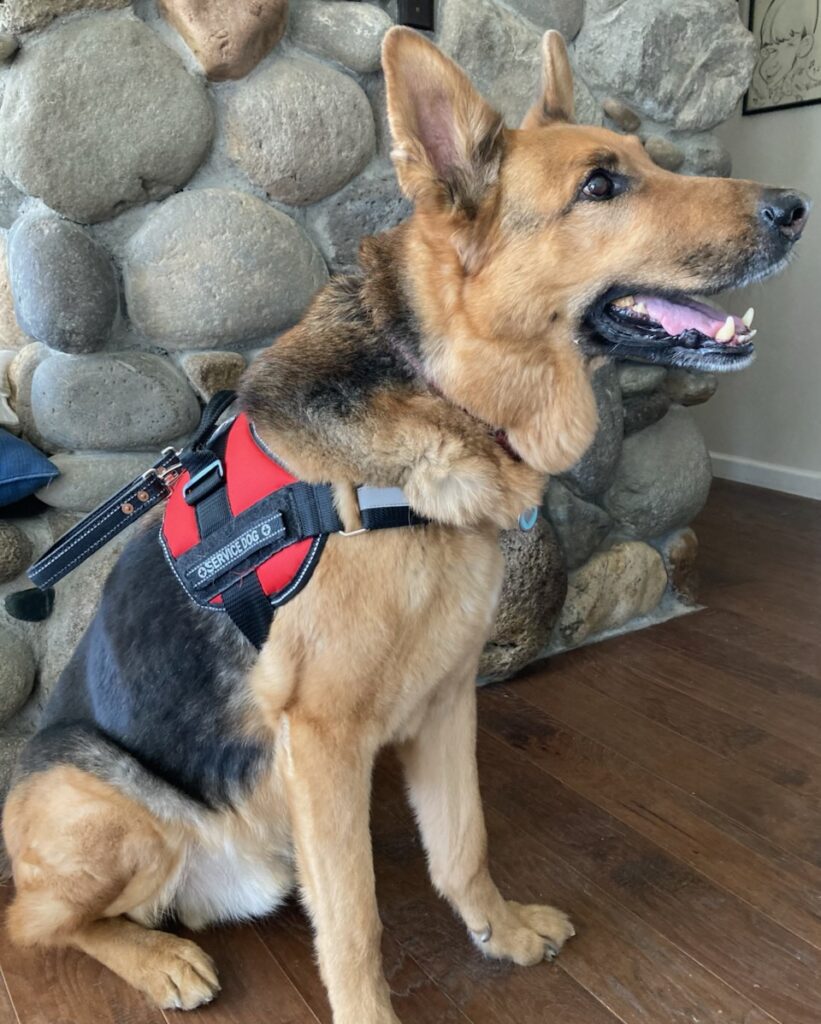
A true service dog is individually trained to perform specific tasks that help a person with a disability. These tasks might include:
Training a service dog is not quick or simple. Many professional programs spend 18–24 months training a single dog before that dog is ready to work with a handler. These dogs must be able to:
Not every dog—even a very good dog—has the temperament, focus, or training ability required for this kind of work.
Today, dozens of websites offer instant service dog registrations, certificates, and vests. In many cases, all someone has to do is fill out a form and pay a fee.
The result? Untrained dogs are suddenly entering restaurants, grocery stores, airplanes, and hotels as “service animals.”
As a professional pet sitter, I know that even well-loved pets can have off days. When untrained dogs bark, jump on people, react to other dogs, or damage property in public spaces, it creates problems for everyone, especially for people who truly depend on service dogs.
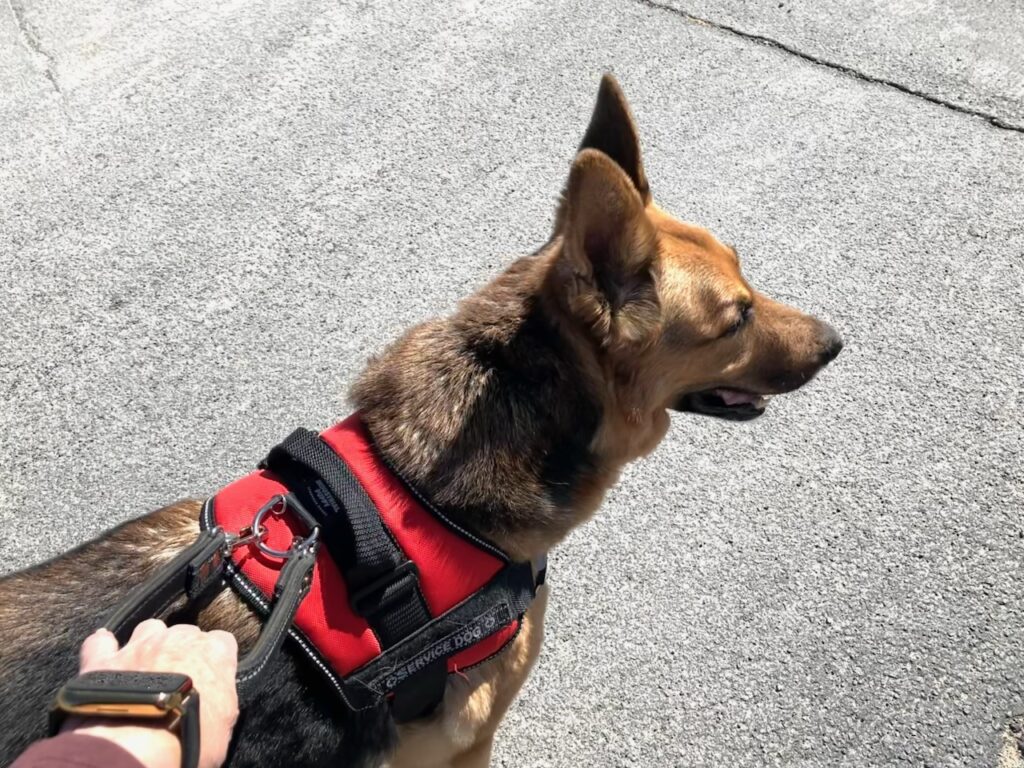
Misrepresenting a pet as a service dog can have real consequences.
1. Safety risks
Untrained dogs may react unpredictably in crowded or stressful environments.
2. Distractions for working service dogs
A barking or lunging dog can distract a service dog from performing an important task for its handler.
3. Increased skepticism from businesses
When businesses repeatedly encounter poorly behaved “service dogs,” they may become more suspicious of legitimate teams.
4. Legal consequences
Many states—including Nevada—have penalties for falsely representing a dog as a service animal.
The people most affected by this issue are those who rely on service dogs to navigate daily life safely and independently.
Another common misunderstanding is the difference between emotional support animals (ESAs) and service dogs.
Emotional support animals provide comfort and companionship to their owners, which can be incredibly valuable. However, ESAs are not trained to perform specific disability-related tasks, and they do not have the same public access rights as service dogs.
Both roles are important, but they are not the same.
At the end of the day, most pet owners simply want what’s best for their dogs. Whether your dog is a companion, a therapy dog, or a working service animal, responsible training, socialization, and care are what truly matter.
By respecting the purpose of service dogs and the people who depend on them, we help ensure that these incredible animals can continue doing the life-changing work they were trained to do.
At Reno Pet Sitter, I love dogs in every form, from energetic puppies to senior companions who just want a quiet walk around the neighborhood. But I also believe in responsible pet ownership and proper training.
Respecting the purpose of service dogs helps protect the independence and safety of the people who rely on them every day.
When we understand the difference between pets, emotional support animals, and service dogs, we help preserve the integrity of these incredible working animals.
If you're searching for a reliable pet sitter in Reno, Nevada, Reno Pet Sitter is here to help. Whether you're traveling, working long hours, or just need an extra hand caring for your pets, I provide dependable and compassionate care for your animals in the comfort of their home.
Our services include:
I treat every pet like family because I know how important they are to you.
If you’re looking for experienced, trustworthy pet sitting in Reno, visit renopetsitter.com to learn more about my services or schedule your pet’s care.
Your pets deserve the best, and I’m here to help make sure they get it.